VINCI Airports & Air Serbia
Nikola Tesla Airport: Belgrade takes off
From a 1920s airfield to a rebuilt terminal: Belgrade’s airport aims to be the region’s air hub.
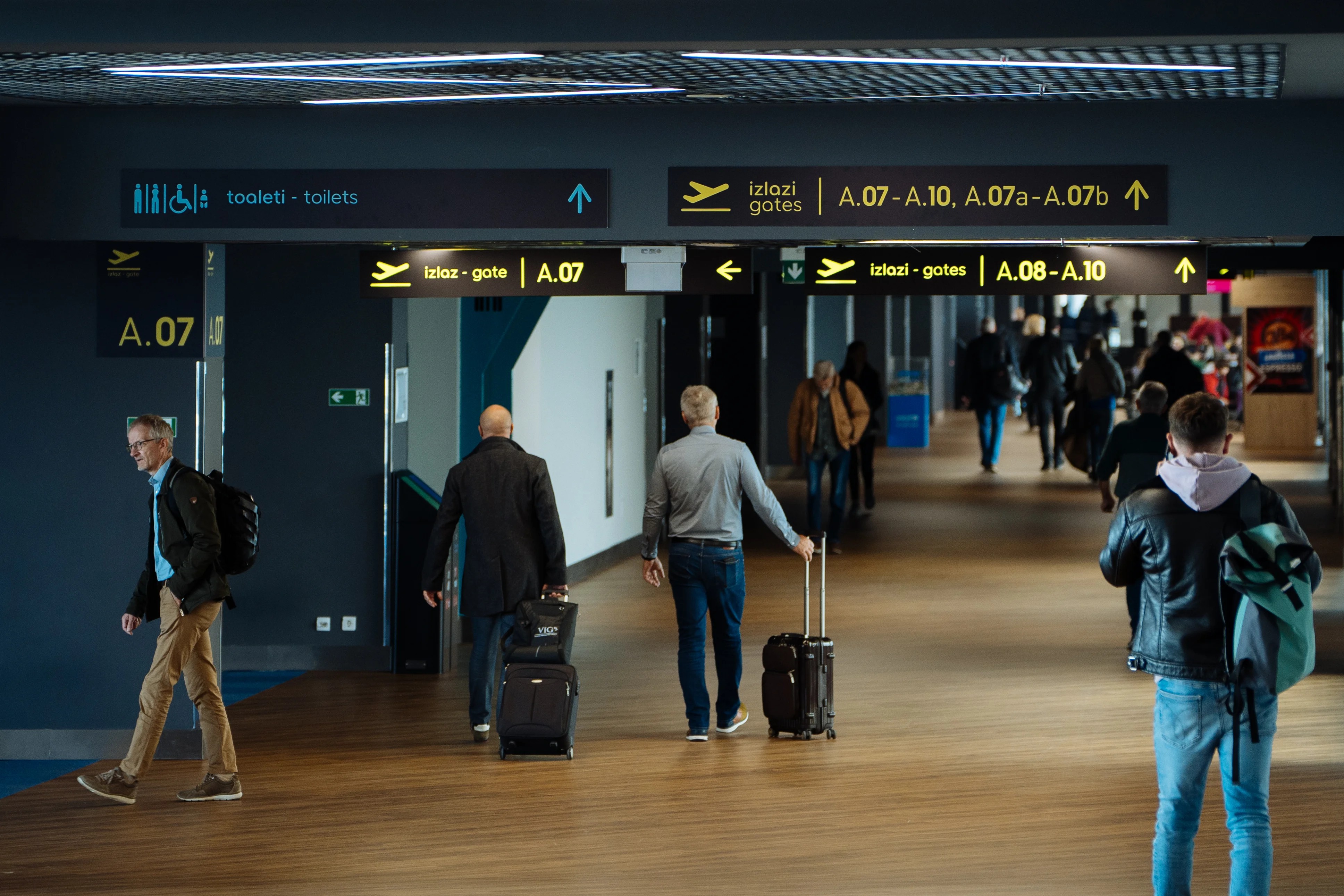
Photo Credit
Image courtesy of © Belgrade Nikola Tesla AirportFrom a 1920s airfield on the plain of New Belgrade to a bright, rebuilt terminal handling almost nine million passengers a year, Belgrade’s airport has been transformed, and the city now has its sights on becoming the air hub of Southeast Europe.
The back story
Belgrade first took to the air in 1927, when a small airport opened at Dojno Polje, on the open plain across the Sava where New Belgrade stands today. Its handsome terminal served Yugoslavia’s airline in the golden age of flying, but as the city grew the site was earmarked for the new capital district, and its last flight left in 1964.
Its replacement was built on the flat farmland at Surčin, about 18 kilometres west of the centre. Work began in 1958 and the new airport was opened on 28 April 1962, with a long runway, a modern terminal and the control tower that still stands today. Terminal 2 followed in 1979, and in 2006 the airport took the name of Belgrade’s most famous son, the inventor Nikola Tesla.
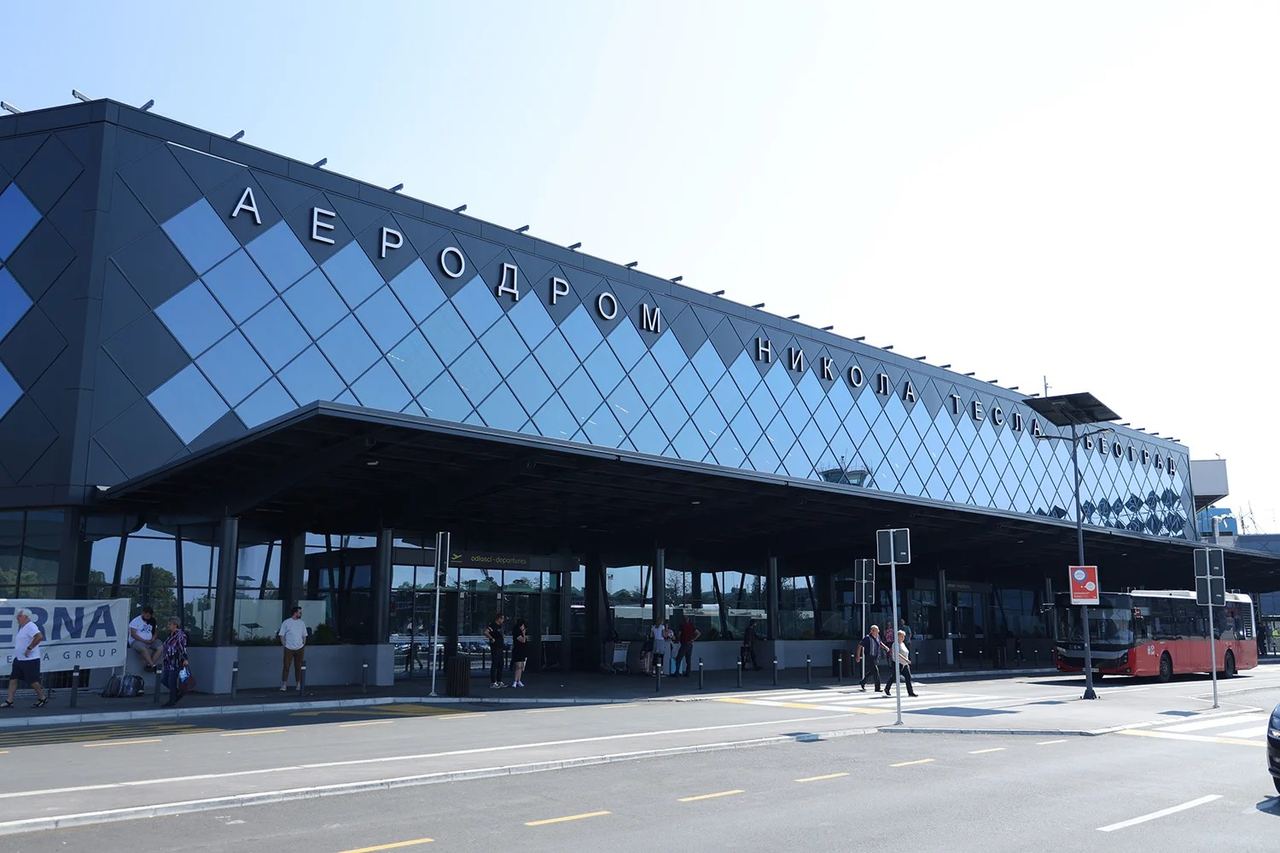
Photo Credit
Image courtesy of © Belgrade Nikola Tesla Airport
Photo Credit
Image courtesy of © Unknown author · Public domain via Wikimedia CommonsFor decades the terminal stayed much as the 1960s and 70s had left it: functional, a little tired, and too small for the numbers flying in. Look up as you pass through, though, and you will still find gems from that era, such as Miloš Bukinac’s long mural of flight, from Icarus and Daedalus to the space age.
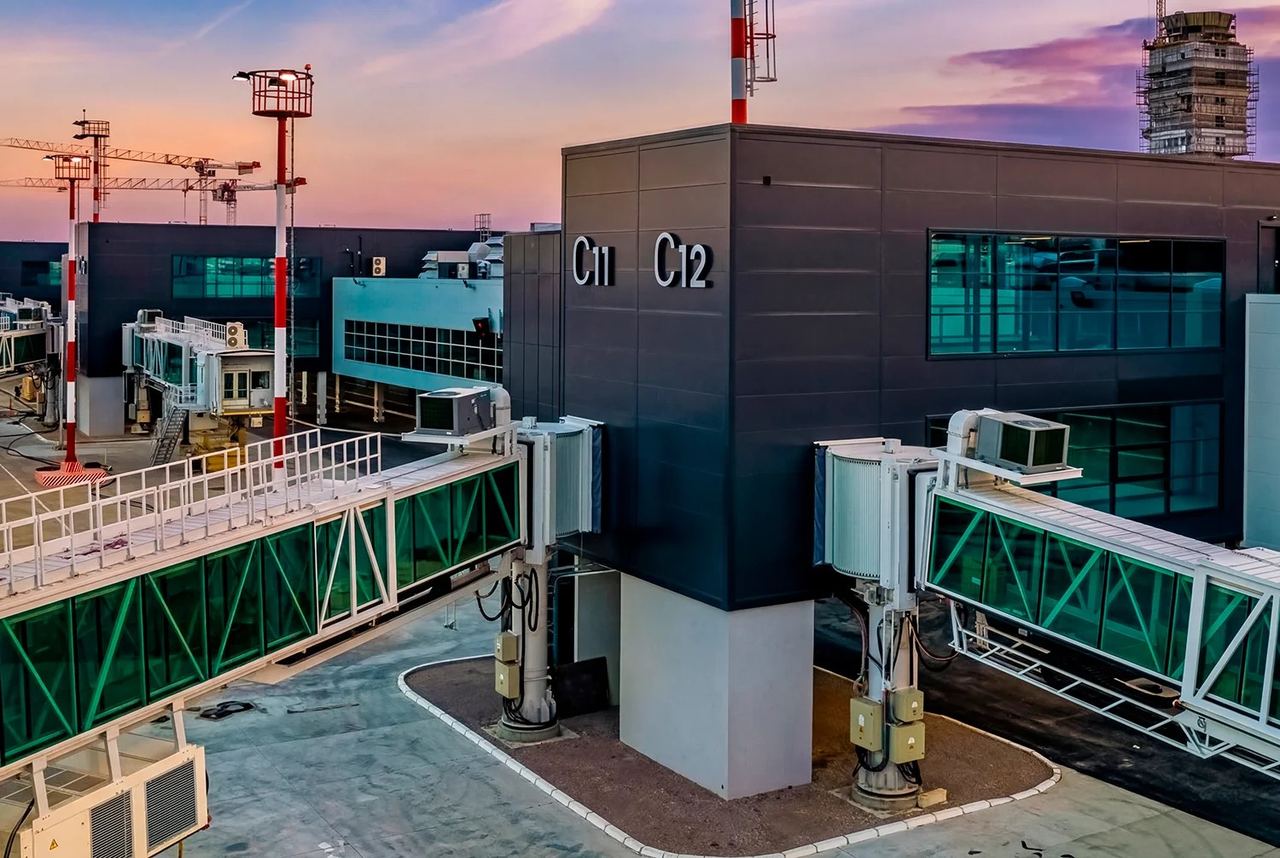
Photo Credit
Image courtesy of © Belgrade Nikola Tesla AirportA French partnership
The great change came in 2018, when Serbia signed a 25-year concession with VINCI Airports, the French group that runs airports from Lisbon to London Gatwick. VINCI took over at the end of that year with an investment plan of more than €730 million, and since then the airport has been rebuilt from the inside out.
Between 2020 and 2023 the terminal was modernised and extended until it had almost doubled in size, from about 54,000 square metres to more than 93,000. Twelve new departure gates were added, taking the total from 19 to 31, along with new check-in halls, more passport desks and electronic passport gates, a central security hall and a duty-free and shopping area three times the size of the old one.
Light pours into the new halls, and the whole building now feels calm, bright and easy to find your way around.
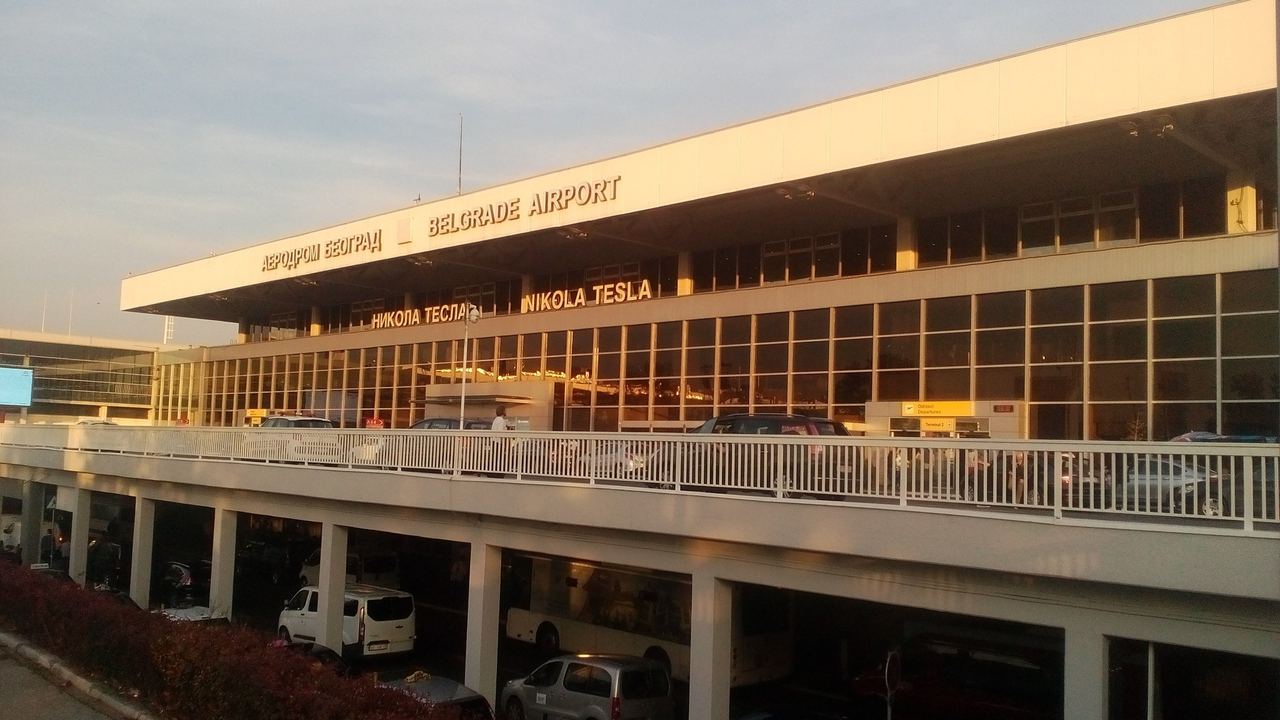
Photo Credit
Image courtesy of © GennadyLOut on the airfield, a new 3.5-kilometre runway opened in June 2023 with new taxiways and modern lighting, and the original 1960s runway was then rebuilt for the first time in sixty years, a long time for any surface to take the weight of the world. Behind the scenes there is a solar power plant, a new heating plant and on-site water treatment, part of VINCI’s plan to bring the airport’s own emissions to net zero by 2050.
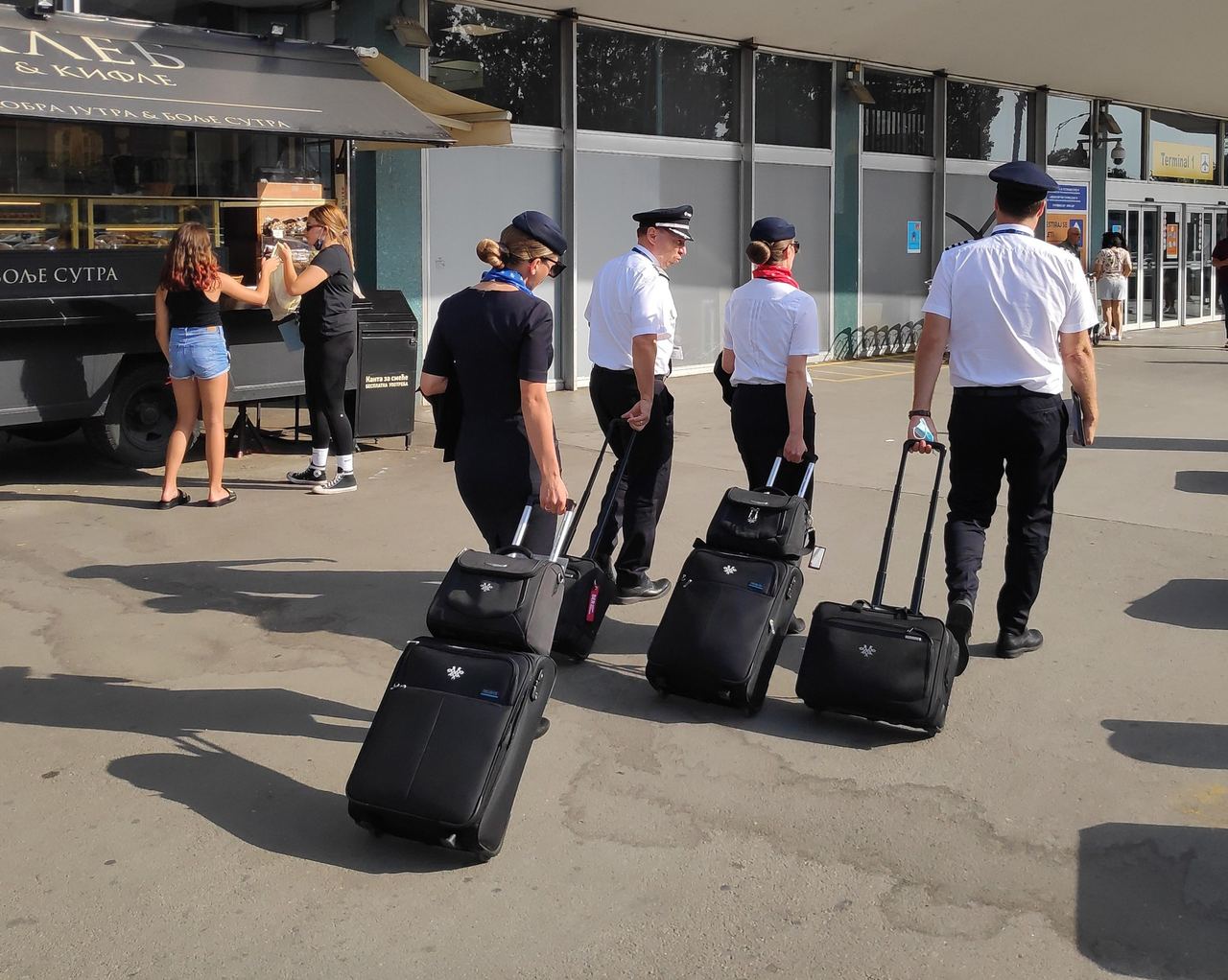
Photo Credit
Image courtesy of © Petar MiloševićAir Serbia and the long-haul routes
The airport is home to Air Serbia, the national airline, whose fleet carries Nikola Tesla’s portrait on the tail of one of its jets. In 2016 it brought back direct flights between Belgrade and New York JFK, the first since 1992, followed by Chicago O’Hare in 2023 and Toronto in 2026. Miami follows in 2027, one of six new routes Air Serbia has announced for that year alongside Helsinki, Yerevan, Chișinău, Cluj-Napoca and Menorca.
Belgrade sits within easy reach of every corner of Europe, and it has set its sights on becoming the air hub of Southeast Europe.
Altogether more than a hundred destinations can now be reached from Belgrade without changing planes, from the capitals of Europe to the Mediterranean coast, the Middle East and China.
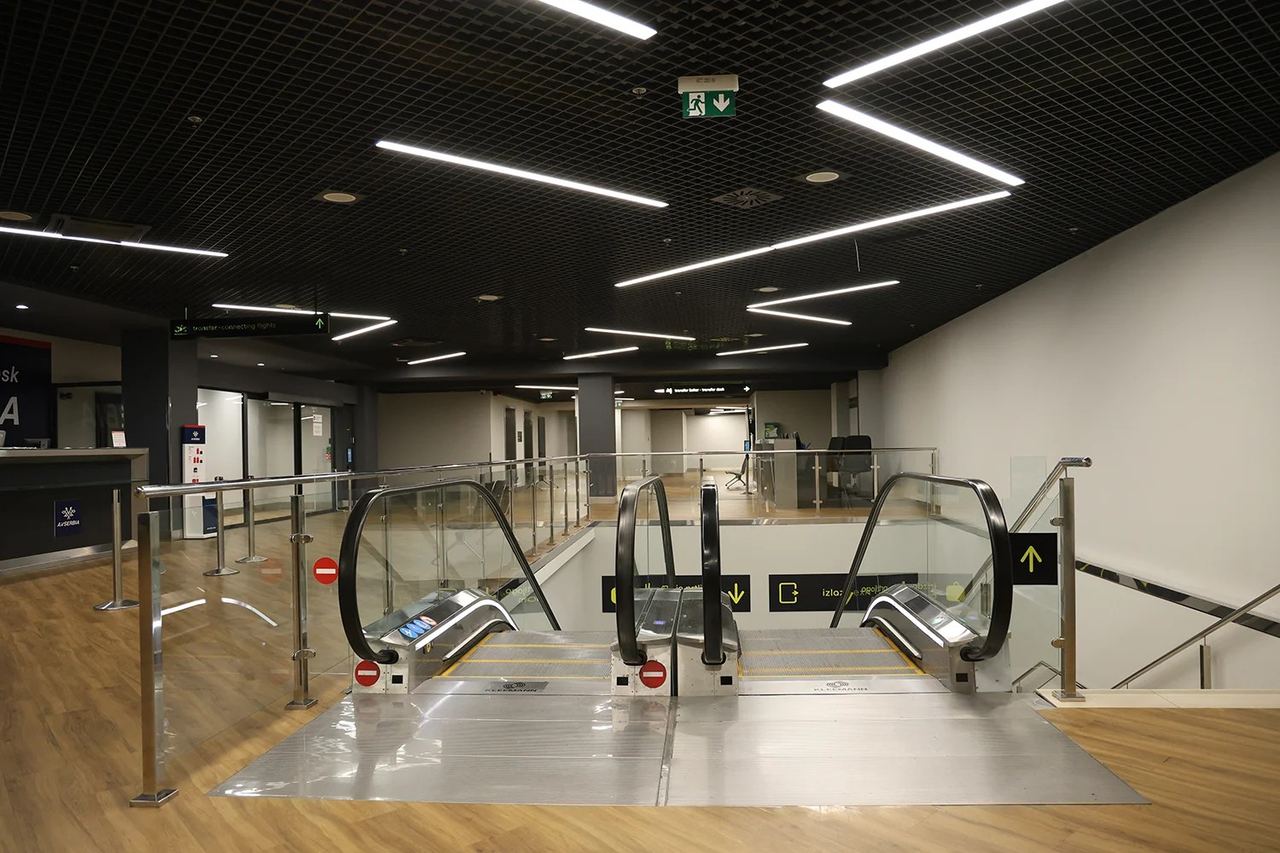
Photo Credit
Image courtesy of © Belgrade Nikola Tesla AirportThe hub of Southeast Europe
Passenger numbers tell the story. The airport handled 6.2 million passengers in 2019 and a record 8.9 million in 2025, and in August 2025 it welcomed more than a million passengers in a single month for the first time. The aim is 15 million a year by the end of the concession.
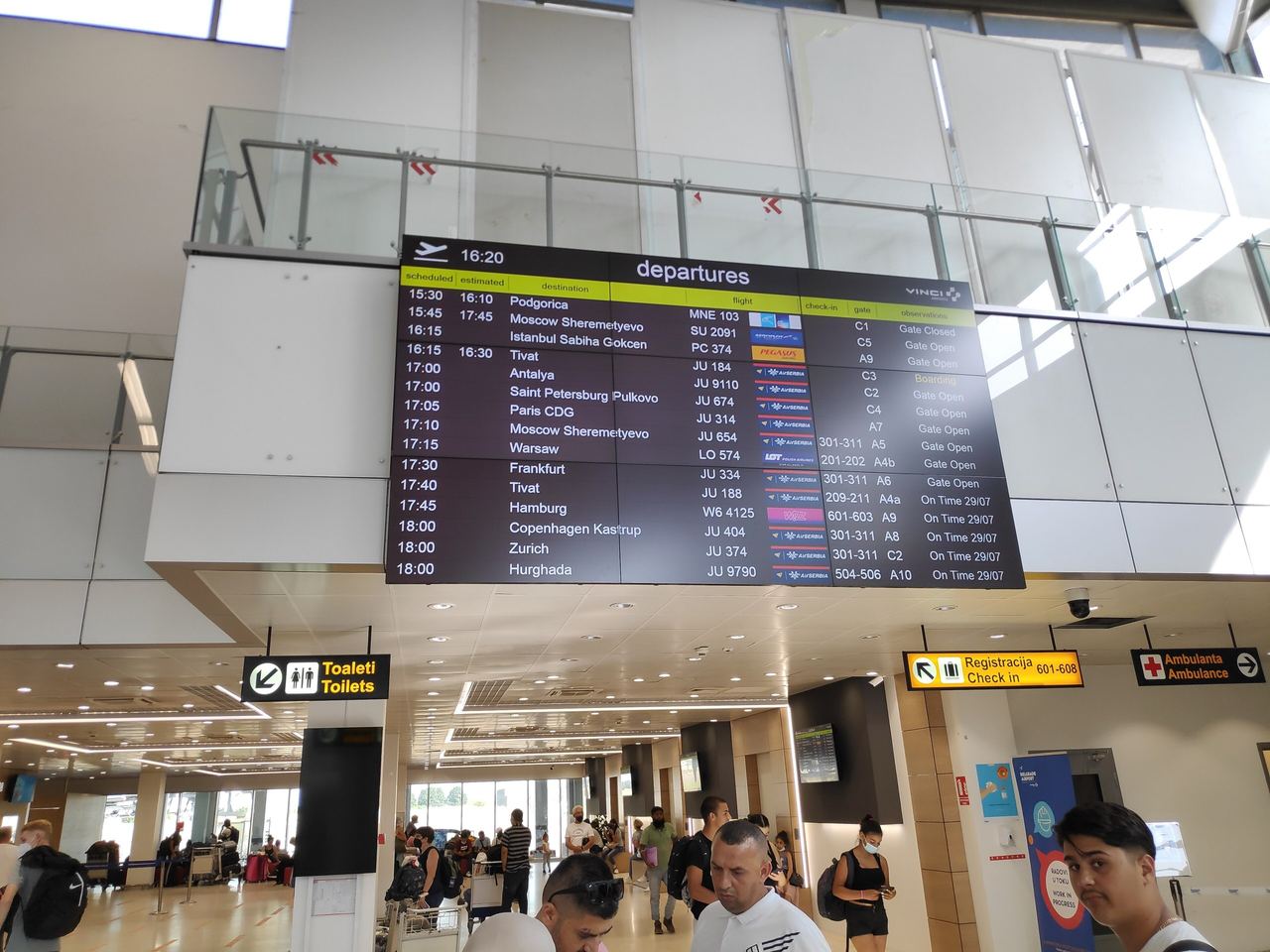
Photo Credit
Image courtesy of © Petar MiloševićBelgrade sits within easy reach of every corner of Europe, between the West, the Mediterranean and the East, and both the airport and Air Serbia speak openly of making it the air hub of Southeast Europe. The next step is already under way: in November 2025 work began on a new C-wing, adding 5,350 square metres, three new gates with air bridges and moving walkways, which will take the airport to 36 gates in time for EXPO 2027.
What it means for visitors
Arriving in Belgrade is now a pleasure: short walks, bright halls, quick passport control and a good choice of cafés and shops. From 2027 a new railway will link the airport to Zemun, New Belgrade and the EXPO site, and until then the A1 minibus, the 72 city bus and fixed-fare official taxis take you into the centre in around half an hour.
Our advice: use the airport bus or an official taxi into town, and allow time for passport control at busy times.
Why it's on our list
- A terminal almost doubled in size since 2019
- A new 3.5 km runway and a rebuilt main runway
- Direct flights to New York, Chicago and Toronto
- A record 8.9 million passengers in 2025
Location
The map comes from Google Maps, which sets its own cookies once it loads.
More in depth
 Beogradski metro i vozBelgrade Metro: a century in the waitingFirst dreamed of in 1923, the metro is being built; the first line is due around 2030.
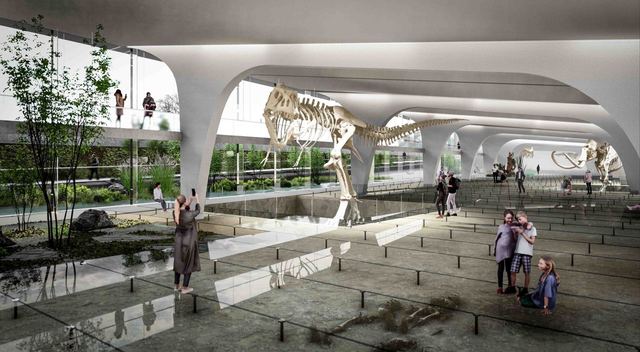 Ministry of FinanceUšće Aquarium & Natural History MuseumA new aquarium and Natural History Museum planned in Ušće Park, by the Museum of Contemporary Art.
 Ministry of Construction, Transport and InfrastructureAirport & EXPO rail link from ZemunA new 18.3 km railway to the airport and the EXPO site.