Beogradski metro i voz
Belgrade Metro: a century in the waiting
First dreamed of in 1923, the metro is being built; the first line is due around 2030.

Photo Credit
Image courtesy of © Ivan25 · CC BY-SA 4.0 via Wikimedia CommonsFirst dreamed of in 1923 and planned again and again for a hundred years, Belgrade’s metro is finally being built: the giant tunnel-boring machines are arriving from China, and the first driverless line, from Železnik through the city centre to the Danube, is due around 2030.
The back story
No idea in Belgrade has been announced, postponed and revived more often than the metro. It first appeared in the city’s urban plan of 1923, when Belgrade was the fast-growing capital of the new Kingdom of Serbs, Croats and Slovenes. In 1938 planners drew three underground lines, from the city centre to Zemun, to Autokomanda and to Topčider, but the Second World War swept the plans away.
After the war Belgrade grew faster than ever, spreading across the Sava into the brand-new city of New Belgrade, and the metro came back again and again. A 1968 plan proposed three lines and 35 stations, and a major study in 1976 drew a full network of metro lines alongside a new suburban railway, with lines crossing beneath Terazije in the heart of the city.
In 1982 the city chose instead to invest in trams, and the metro was shelved. Instead Belgrade built a new railway junction, with long tunnels under Vračar, and in 1995 two deep underground stations opened at Vukov Spomenik and Karađorđev Park for the suburban trains, now called BG Voz. Riding the long escalators down at Vukov Spomenik is the closest Belgrade has come to a metro, until now.

Photo Credit
Image courtesy of © Dzordzm · CC BY-SA 3.0 via Wikimedia CommonsA hundred years of almost
The decades that followed brought plan after plan: a light metro in 2004, a full metro again in 2008, French studies and Chinese offers. For years Belgrade was one of the largest cities in Europe without an underground railway, and the metro became something of a local joke, always just about to begin.
The project that is now being built took shape in 2017: a first line from the western suburbs at Železnik and Makiš, through the city centre to the Danube and on to Mirijevo, and a second line across the city from Zemun and New Belgrade to Slavija and Mirijevo.
In 2019 the Government of Serbia took over as investor, French and Chinese partners were brought in, and in November 2021 the first preparatory works began on the fields at Makiš, where the depot will be.
Line 1
The first phase of Line 1 runs for about 15 kilometres with 15 stations, from Železnik and Makiš in the south-west through Banovo Brdo, past Ada Ciganlija and the Belgrade Fair, across the Sava and under the old town to Sava Square, Republic Square and Skadarlija, and down to the Danube at Pančevo Bridge. About 11 kilometres will run in deep tunnels, with some stations as much as 40 metres below the streets.
A second phase will then carry the line on through Karaburma to Mirijevo, making about 21 kilometres in all.
No idea in Belgrade has been announced, postponed and revived more often than the metro.
The trains will be driverless, supplied by the French company Alstom, which in 2026 was contracted for 32 trains and the signalling and control systems. The tunnels are being dug by PowerChina with two giant tunnel-boring machines built in Changsha, each weighing about 1,800 tonnes and more than 100 metres long.
In mid-October 2026 the first was sailing up the Danube to the port of Pančevo, to be assembled and launched at Makiš; the second is due in November and will start from the Danube end, and the two will meet beneath the city.
Line 2 and beyond
Line 2, about 25 kilometres long with 24 stations, will cross the city from Bežanija and Zemun through New Belgrade, past the Arena, under the Sava to Sava Square, then on to Slavija, Karađorđev Park, Zvezdara and Ustanička, meeting Line 1 at Sava Square and again at Mirijevo. Its design is complete and the government says construction should start in 2027 or 2028. A third line is being designed.

Photo Credit
Image courtesy of © © OpenStreetMap-Mitwirkende · CC BY-SA 2.5 via Wikimedia CommonsWhat it will mean
Line 1 is expected to cost between €3.5 and €3.8 billion. The government says civil works should be finished by the end of 2029, followed by six to eight months of testing, so the first passengers should ride it around 2030. When it opens, Železnik to Mirijevo will take about half an hour, and visitors will be able to travel from Ada Ciganlija or the Belgrade Fair to Republic Square and Skadarlija in minutes, underground and out of the traffic.
Until then, Belgrade’s buses, trams and trolleybuses, free for everyone since 2025, and the BG Voz suburban trains will take you everywhere you need to go.
Our advice: in the meantime, use the city buses, trams and trolleybuses, and walk; the centre is compact.
Why it's on our list
- Belgrade’s first-ever metro
- Driverless trains by Alstom
- Line 1: Železnik to the Danube, then Mirijevo
- Line 2 to follow, through Zemun, New Belgrade and Slavija
Location
The map comes from Google Maps, which sets its own cookies once it loads.
More in depth
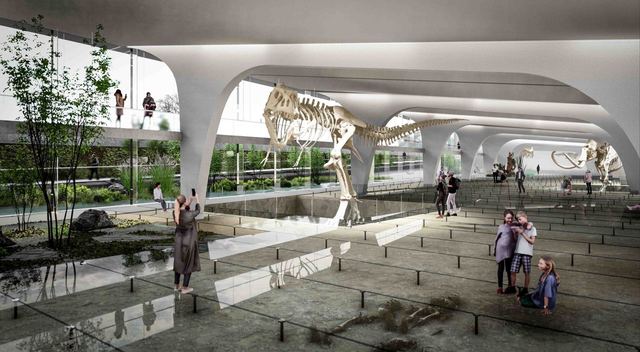 Ministry of FinanceUšće Aquarium & Natural History MuseumA new aquarium and Natural History Museum planned in Ušće Park, by the Museum of Contemporary Art.
 Ministry of Construction, Transport and InfrastructureAirport & EXPO rail link from ZemunA new 18.3 km railway to the airport and the EXPO site.
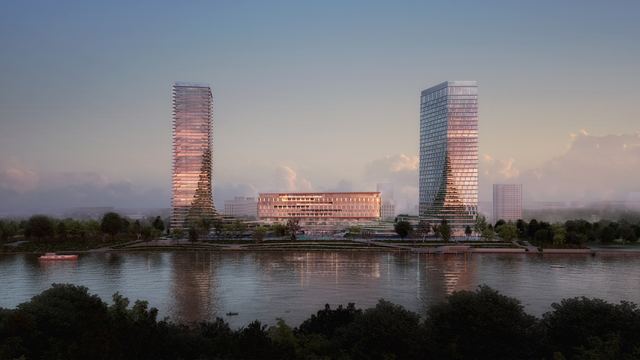 Millennium TeamHotel Jugoslavija siteBelgrade’s grandest hotel, demolished in 2025; the site is becoming a new hotel and homes.